Gum Disease, Deep Cleaning & Dental Crowns: When Treatment Is Needed

Bleeding gums, a tooth that hurts when you bite down, or a filling that keeps causing trouble can all be reasons to visit your dentist. The treatment depends on what's happening. Gum disease affects the tissues that support your teeth, deep cleaning removes plaque and tartar from below the gumline, and dental crowns protect teeth that have been weakened by decay or damage. An examination helps determine which dental treatment options make sense for your situation.
Some dental problems hurt straight away. Others don't. Bleeding gums, for example, can be an early sign of gum disease even when your mouth feels fine.
What are the signs that I may have gum disease?
Bleeding gums, redness, swelling, persistent bad breath and receding gums are common gum disease symptoms. You might notice blood when brushing, or flossing, but feel no pain at all.
Plaque is a sticky film of bacteria that builds up on your teeth. If brushing and flossing don't remove enough of it, the gums can become inflamed. This early stage is called gingivitis. Without treatment, gum disease can progress to periodontitis, which damages the tissues, and bone supporting your teeth.
Pay attention to changes in your mouth. These are worth discussing with your dentist:
- Your gums bleed regularly when you brush or floss.
- Your gums look swollen or seem to be pulling away from your teeth.
- Bad breath or an unpleasant taste keeps returning.
- A tooth feels loose, or your bite seems different.
Don't wait for pain to appear. By the time advanced gum disease causes loose teeth, damage to the supporting bone may already have occurred.
At Johnson Family Dentistry, patients can learn about periodontal treatment based on their gum health and the extent of the problem. Your dentist can explain the dental treatment options available after examining your gums.
What is a deep dental cleaning and when is it needed?
A deep dental cleaning, also called scaling and root planing, removes plaque, and hardened tartar from below the gumline. Dentists recommend it when gum disease has created pockets around the teeth that a routine cleaning can't adequately treat.
During an examination, your dentist measures the spaces between your teeth and gums. Healthy gums fit closely around the teeth. When gum disease progresses, these pockets can deepen allowing bacteria to collect where a toothbrush can't reach.
What happens during a deep cleaning?
The procedure has two main parts. Scaling removes plaque and tartar from the tooth surfaces including below the gums. Root planing smooths the root surfaces to help the gums heal and reattach more closely to the teeth.
Your dentist may use a local anesthetic to reduce discomfort. Depending on how many areas need treatment, the cleaning might be completed over more than one appointment.
Your gums may feel tender afterward. Some bleeding or sensitivity to hot and cold foods can occur, too, and usually improves as the area heals. Your dentist may arrange a follow-up appointment to check the gum pockets and see how well the treatment has worked.
Deep cleaning can help control gum disease, but it doesn't reverse all damage caused by advanced periodontitis. You may need further care, along with regular periodontal maintenance visits.
You can read more about periodontal treatment at Johnson Family Dentistry. The right dental treatment options depend on the condition of your gums and how they respond to treatment.
When does a tooth need a dental crown?
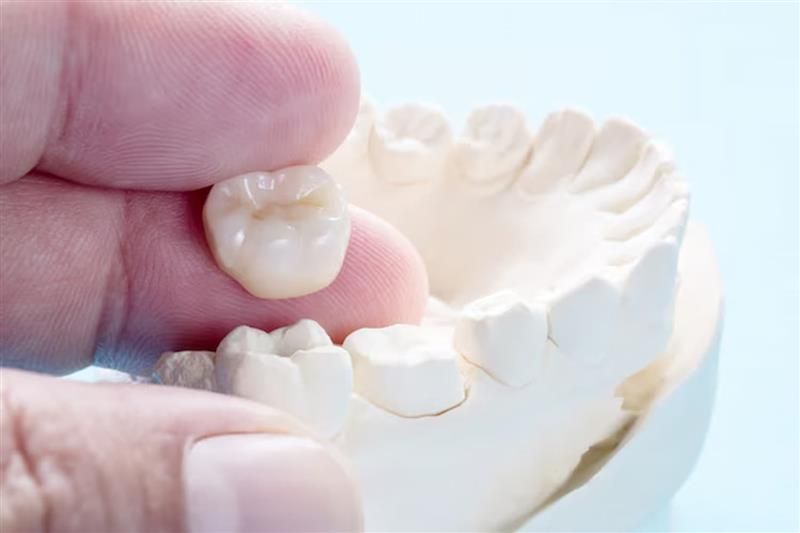
A dental crown may be needed when a tooth has become too weak to withstand normal biting pressure. Extensive decay, a large filling or a crack can leave too little healthy tooth structure to support the tooth on its own.
Crowns are also used to protect certain teeth after root canal treatment. In other cases, an old restoration may no longer provide enough support.
Your dentist will examine the tooth and may take X-rays to assess the roots and surrounding bone. The amount of healthy tooth remaining matters. A crown can restore a damaged tooth, but it isn't always the right choice if the damage extends too far below the gumline.
What happens during the crown procedure?
The crown procedure usually involves preparing the tooth so the restoration can fit over it. Your dentist then takes an impression or digital scan, which is used to make a crown that fits your tooth. A temporary crown may protect the prepared tooth while the permanent one is being made.
At a later appointment, the dentist checks the crown's fit and your bite before securing it in place.
Crowns can be made from porcelain, ceramic or metal. The material depends on the tooth's location the pressure it takes during chewing and your individual needs.
How long do dental crowns last?
Dental crowns often last 5 to 15 years, though some last longer. Crown longevity depends on the material, how well the crown fits, the health of the tooth underneath and your daily habits.
A crown can still develop problems. Decay may form near its edges, and grinding your teeth can put extra pressure on it. Brush twice a day, clean between your teeth and avoid chewing hard objects such as ice. If you grind your teeth at night, ask your dentist whether a night guard could help.
At Johnson Family Dentistry, you can explore crowns and bridges services if you have a damaged tooth, or a missing one. An examination can help your dentist decide which dental treatment options are appropriate for you.
What is the difference between a dental crown and a bridge?
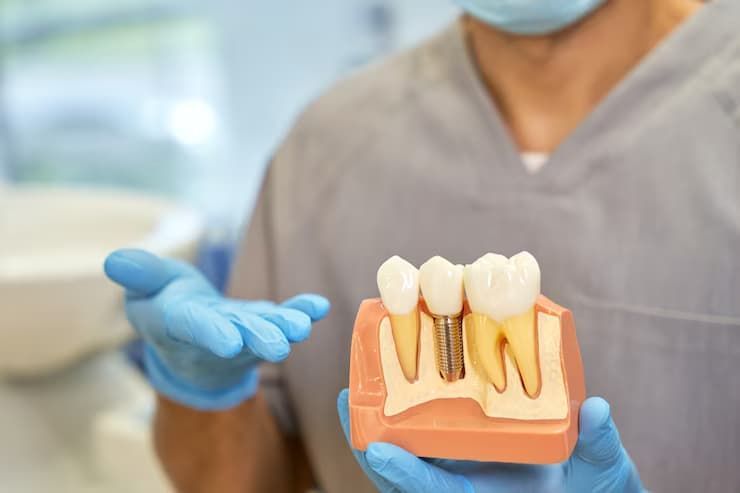
A dental crown covers and protects an existing tooth while a dental bridge replaces one or more missing teeth. A bridge is supported by neighbouring teeth, or dental implants, depending on the design and treatment plan.
The distinction is fairly simple. If a tooth is still present but weakened by decay or a fracture, a crown may help protect it. If a tooth is missing, a bridge may be an option for filling the gap.
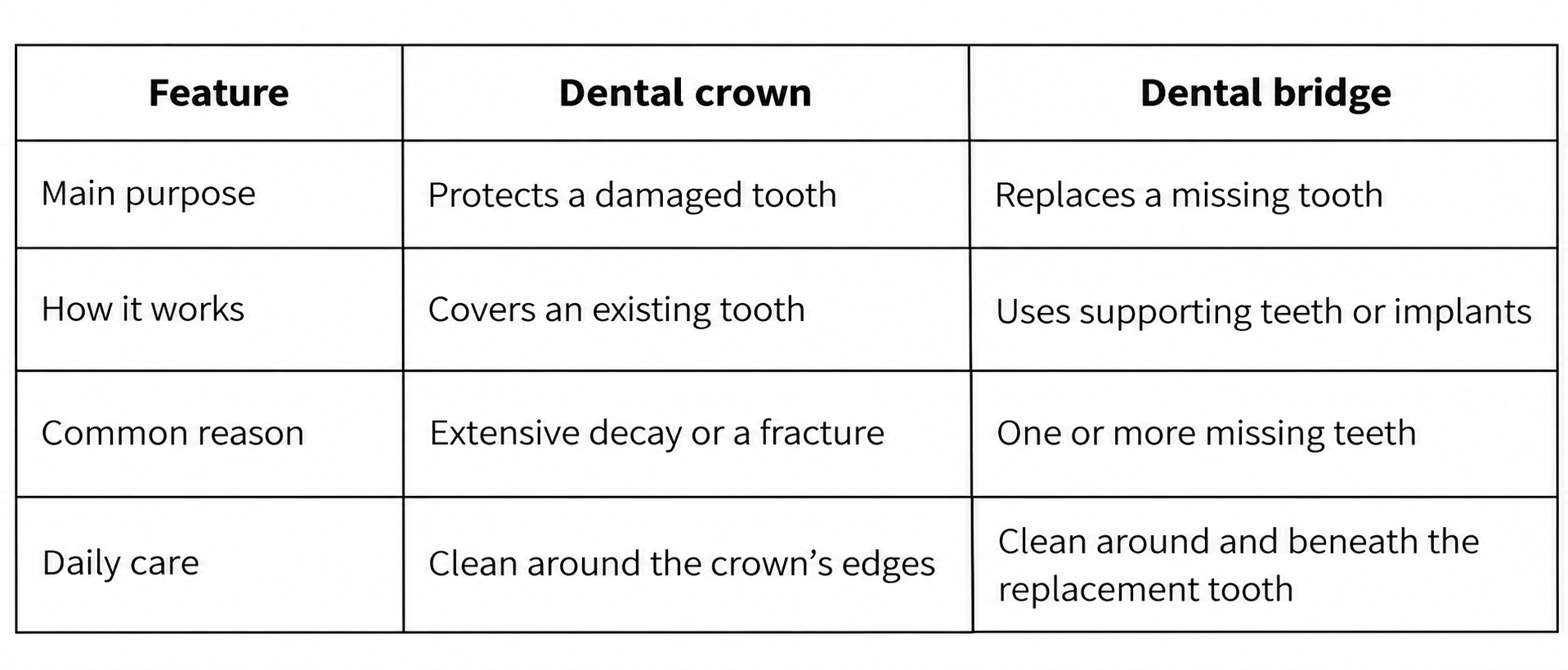
Both restorations need regular dental checkups and careful cleaning. A bridge can take more effort to clean because food and plaque may collect beneath the replacement tooth.
There's another point to consider: gum health. If you have active gum disease your dentist may recommend treating it before placing a crown or bridge. The teeth and tissues supporting the restoration need to be assessed first. Your dentist can compare the available dental treatment options after checking your teeth, gums and bite.
Frequently asked questions
Can gum disease cause teeth to become loose?
Yes. Advanced gum disease can damage the bone and tissues that hold teeth in place. Teeth may loosen or shift as this support weakens. Early treatment can help control the disease and limit further damage.
Is deep dental cleaning painful?
You may feel pressure or discomfort during deep cleaning, but a local anesthetic can help. Mild soreness or sensitivity afterward is common and usually settles within a few days.
Can I get a dental crown if I have gum disease?
Possibly, but your dentist may recommend treating active gum disease first. The condition of your gums and the stability of the tooth will help determine whether a crown is suitable.
Is a crown better than a bridge?
Neither is automatically better. A crown protects a tooth that's still present, while a bridge replaces a missing tooth. The right choice depends on the condition of your teeth and gums.
How can I protect my gums and dental crowns?
Brush twice daily with fluoride toothpaste, clean between your teeth every day and attend regular dental checkups. Pay attention to the area where a crown meets the gumline, since plaque can collect there.
What should I do if my gums bleed or a tooth becomes damaged?
Arrange a dental examination, particularly if the bleeding keeps returning or the tooth is cracked. Your dentist can identify the cause and recommend treatment before the problem gets worse.