Root Canal Treatment: How to Know You Need One and What to Expect
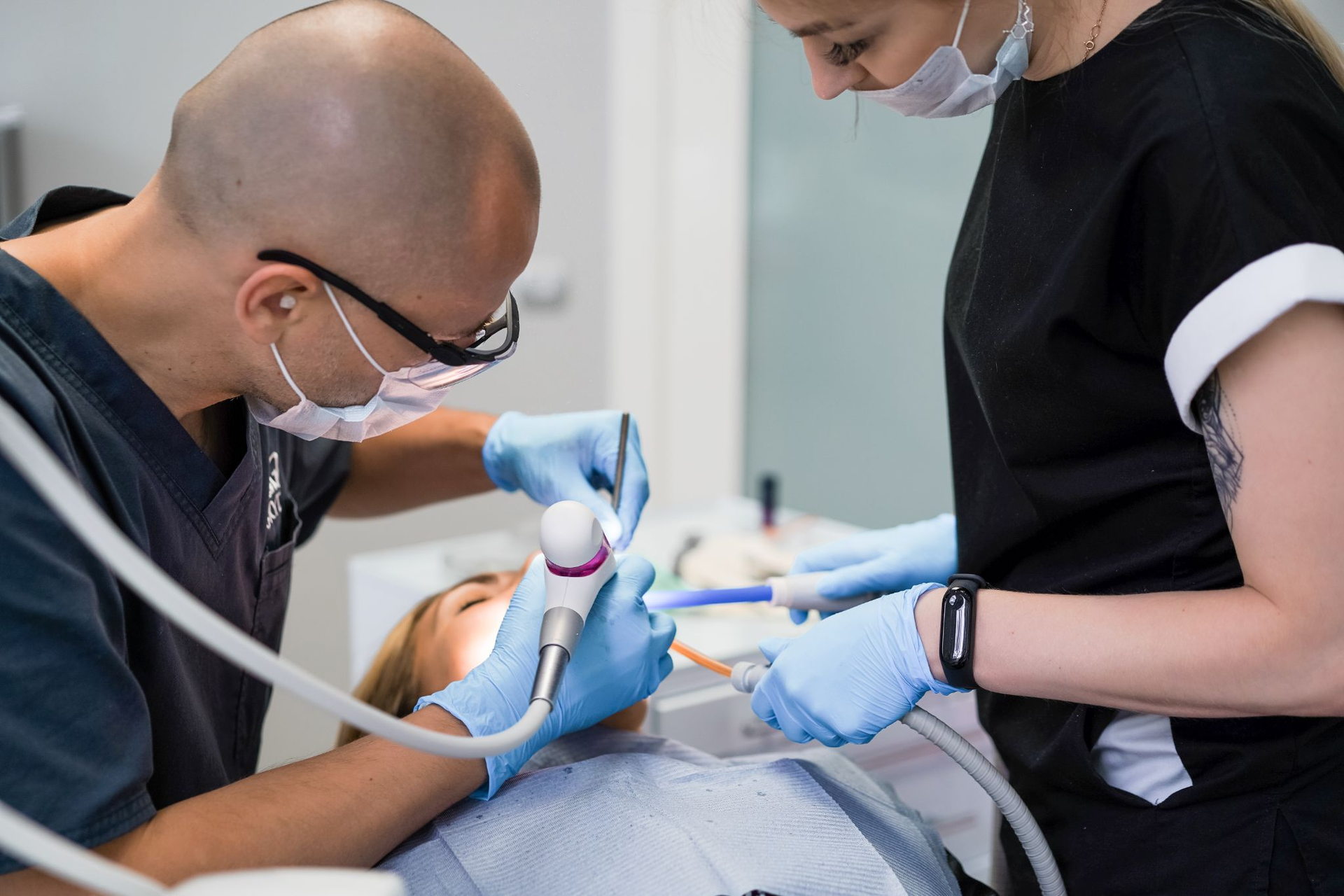
A tooth that hurts every time you drink something cold deserves attention. So does a tooth that hurts when you bite down, keeps throbbing, or suddenly starts feeling different from the teeth around it. A root canal is usually recommended when the soft tissue inside a tooth has become infected, inflamed, or damaged. But here's the part people often miss: a badly damaged tooth doesn't always hurt. Sometimes the symptoms are mild, or there aren't any at all.
A dental examination and X-rays can help show what's happening below the surface and whether root canal treatment is appropriate.
What Is a Root Canal?
A root canal is a dental procedure that removes damaged, or infected tissue from inside a tooth. The space is then cleaned and sealed.
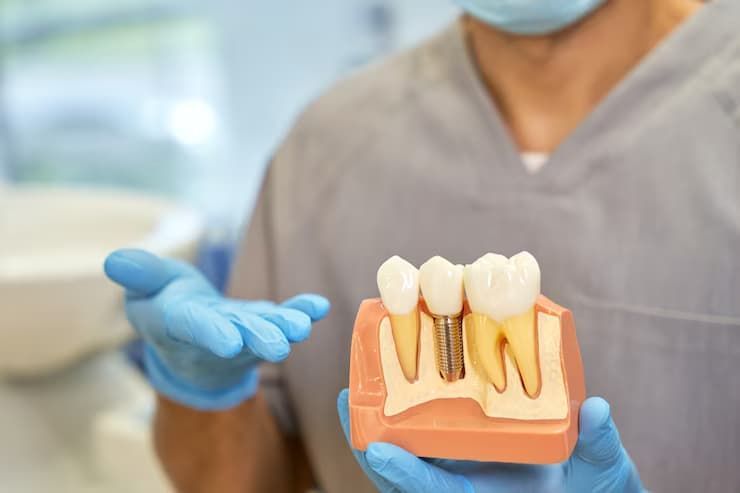
The soft tissue inside a tooth is called the pulp. It contains nerves, blood vessels and connective tissue. If a cavity gets deep enough, bacteria can reach the pulp. A crack or dental injury can cause a similar problem.
Once the pulp is badly damaged or infected, the tooth may need treatment to keep it in place. The idea is fairly straightforward. Remove the problem inside the tooth, clean the space, and seal it.
The natural tooth stays.
How Do You Know You Need a Root Canal?
You may need a root canal treatment if you have ongoing tooth pain, lingering sensitivity, pain when chewing, or swelling around a tooth. Those signs matter, but they don't tell the whole story. Other dental problems can cause similar symptoms.
So don't try to diagnose the tooth yourself.
A dentist can examine the area and decide what's actually causing the discomfort.
Common Signs to Watch For
Some warning signs are easy to notice. Others are easy to brush off.
- A toothache that keeps coming back: Pain that doesn't settle or repeatedly returns can mean something is happening inside the tooth.
- Hot or cold sensitivity: If a tooth keeps hurting after hot coffee, or cold drinks, get it checked.
- Pain when biting: Pressure on a damaged tooth can cause pain when eating.
- Swelling near the tooth: A swollen or tender area of gum may be connected to an infection.
- A chipped or cracked tooth: A crack can allow bacteria to reach the pulp.
- A darker-looking tooth: A noticeable change in color can sometimes happen, after internal tooth damage.
- A small bump on the gums: A recurring pimple-like spot near a tooth can be associated with an infection.
- No obvious pain: This one gets overlooked. A tooth can have serious internal problems without causing much discomfort.
A strong toothache doesn't automatically mean a root canal is needed. The cause has to be checked first.
What Causes the Need for a Root Canal?
Deep decay, a cracked or fractured tooth, and dental trauma are common reasons the pulp becomes damaged or infected.
Think about what happens when decay keeps moving deeper into a tooth. At first, it may only affect the outer layers. If it reaches the pulp, bacteria can get inside. A fracture can create another opening.
An injury can damage the pulp, too. Sometimes the damage isn't obvious from looking at the tooth.
That's why getting a cavity or damaged tooth checked early can matter. Waiting until the tooth becomes extremely painful isn't always the best plan.
How Is a Root Canal Diagnosed?
A dentist will ask about your symptoms, examine the tooth and may take X-rays. The goal is to figure out whether the pulp is affected and whether the tooth can still be restored.
You may be asked:
- When did the pain start?
- Does anything make it worse?
- Does the pain continue after eating or drinking?
- Does biting hurt?
- Have you noticed swelling?
- Was the tooth recently cracked, chipped, or injured?
X-rays can show parts of the tooth and surrounding bone that can't be seen during a visual examination. Your dentist will look at the full picture rather than relying on one symptom.
What Happens During a Root Canal?
The dentist first numbs the tooth. An opening is then made to reach the pulp inside. The damaged or infected tissue is removed, the area is cleaned and the space is sealed.
Sounds simple enough. The details can vary, though, depending on the tooth and how much damage has occurred.
A temporary filling may be placed before the final restoration. In some cases a crown is used afterward to protect the tooth from breaking.
Root Canal Treatment Steps
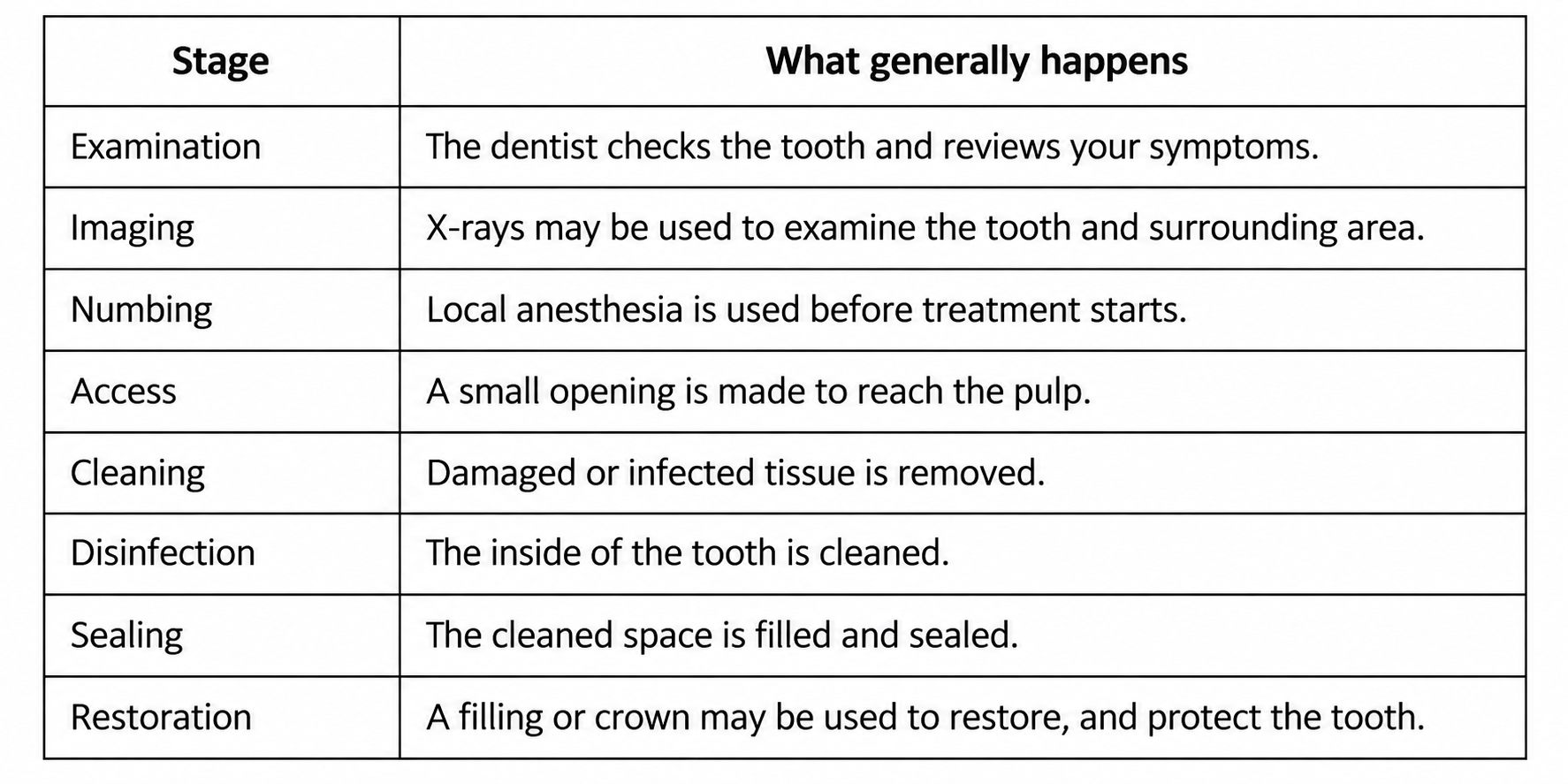
The exact steps can vary from one tooth to another.
Is a Root Canal Painful?
The tooth is numbed with local anesthesia before the procedure, so you shouldn't experience the same type of pain you may have felt from the untreated tooth.
Afterward is a little different.
Some soreness, pressure sensitivity or gum tenderness can occur for several days. Our post-operative instructions explain what patients may experience after treatment, and what to do during recovery.
If severe pain or swelling develops, contact the dental office.
What Should You Expect After a Root Canal?
The treated tooth can feel tender for a few days. That's one reason it's better to be careful with it until the permanent restoration is placed.
At Johnson Family Dentistry, we may suggest a temporary filling be used initially. We also advise patients to chew on the opposite side until the permanent restoration is completed.
Keep brushing and flossing unless your dentist tells you to do something different. There's no need to stop normal oral hygiene just because one tooth has been treated.
Why Does a Tooth Need a Crown After a Root Canal?
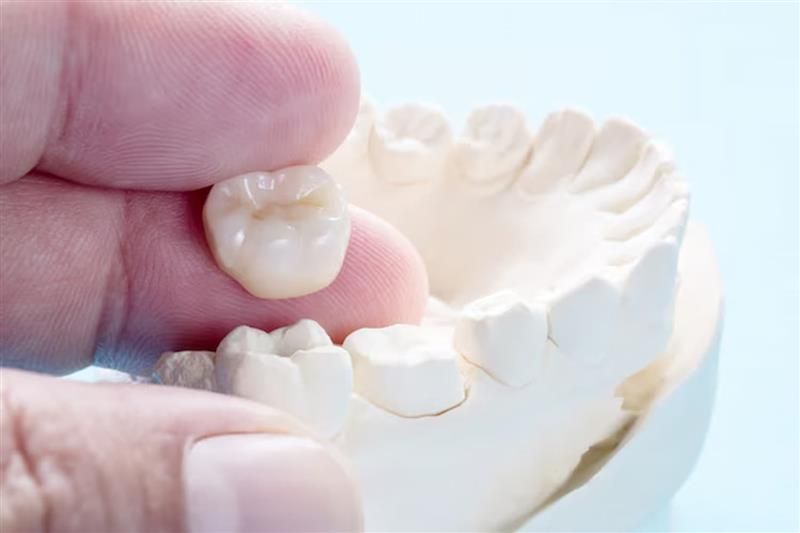
A crown may be recommended when a tooth needs more protection after treatment, especially if a large amount of the natural tooth structure has been lost.
That doesn't mean every treated tooth automatically needs the same restoration. The location of the tooth and the amount of healthy structure left behind can affect the recommendation.
Your dentist can explain why a crown is being suggested for your tooth.
What Happens If You Delay Treatment?
An infection or damaged pulp can continue to cause problems when treatment is delayed. The condition may eventually affect the tissues around the tooth.
And pain isn't a reliable timer.
A tooth doesn't have to hurt badly before it needs attention. Persistent pain, swelling, fever, facial swelling, or difficulty swallowing should be taken seriously. If swelling makes breathing or swallowing difficult, seek urgent medical care.
Can a Root Canal Save Your Natural Tooth?
Yes. The procedure is intended to remove the damaged or infected tissue while keeping the natural tooth.
That can help you continue using the tooth for normal chewing instead of having it removed and replaced. But saving the tooth isn't always possible. The dentist will consider how much healthy tooth structure remains, the extent of the damage, and the condition of the surrounding bone.
When Should You See a Dentist?
Make an appointment if tooth pain keeps returning, sensitivity lingers, chewing becomes uncomfortable, or swelling appears near a tooth.
It's also a good idea to have a cracked, chipped, or injured tooth checked. Waiting for severe pain can backfire because some dental infections don't cause much discomfort at first.
We provide general and restorative dental care in Powder Springs and work with specialists in areas including endodontics.
Frequently Asked Questions
How long does a root canal take?
It depends on the tooth and the complexity of the problem. Your dentist can give you a better idea after examining the tooth.
Can a tooth infection go away on its own?
An infection involving the pulp generally needs professional dental care. Pain can sometimes decrease temporarily, but that doesn't necessarily mean the underlying problem is gone.
Can I eat normally after treatment?
You may need to avoid chewing on the treated tooth until the numbness wears off and the permanent restoration is placed. Follow the instructions given by your dentist.
Is tooth extraction the only alternative?
No. Tooth extraction isn't always the only option. If a damaged tooth can be restored and enough healthy structure remains, keeping the natural tooth may be possible. Your dentist can compare restorative care with tooth extraction based on the condition of the tooth.
Conclusion
Tooth pain, lingering sensitivity, swelling, or pain when chewing shouldn't be ignored. They can have several causes, and only a dental examination can determine what's actually going on.
If the pulp is damaged or infected, treatment may allow the natural tooth to remain in place. The sooner the tooth is checked, the sooner you'll know what you're dealing with.
For patients looking for root canal treatment in Powder Springs, you may
contact us and we will provide information about the procedure and available care.