What Happens If a Dental Bridge Becomes Loose? Signs You Shouldn't Ignore
A dental bridge is meant to stay in place while you eat, speak, and go about your day. So when it starts to move, even slightly, it can be unsettling. You may notice a strange feeling when you bite. The bridge may feel different when your tongue touches it. You might even feel movement that was not there before.
A loose bridge is not something we recommend ignoring. The reason it became loose matters, and the supporting teeth underneath it need to be checked. We also don't recommend trying to push the bridge back into place or permanently attach it at home. If you notice movement, contact us so we can determine what is happening and explain what to do next.
What Does a Loose Bridge Feel Like?
Not every patient notices the same thing. You might feel movement while chewing. The bridge may seem higher than usual when you close your teeth. You may notice sensitivity around one of the teeth supporting the restoration. You might not feel pain at all.
That last point matters. A bridge does not have to hurt before you contact us. If something stable for months or years suddenly feels different, let us know.
We can examine the area and determine whether the change involves the bridge, one of the supporting teeth, or the surrounding tissues.
Why Can a Bridge Become Loose?
There is no single explanation for every loose bridge. The supporting tooth can develop a problem. The cement holding the restoration can fail. Wear or damage may affect the restoration. Changes around the supporting teeth can also play a role.
When you come to us, we look at the bridge as well as the teeth underneath it. That helps us understand what may have caused the movement rather than assuming the restoration itself is the only problem.
This is why searching for dental bridge repair near me is only the beginning. Before we decide how to address a loose bridge, we need to understand why it became loose.
What If the Bridge Comes Out Completely?
If your bridge comes out, do not throw it away. Keep the restoration and contact us. We may want to examine the bridge along with the teeth and tissues underneath it.
Please don't use household glue or another permanent adhesive to put it back. A home repair can make it harder for us to assess the restoration and may prevent it from fitting correctly.
If the area is uncomfortable, avoid chewing hard foods on that side until you have spoken with us. Keeping the bridge safe and bringing it with you can also give us useful information when we examine the situation.
The Supporting Tooth Matters
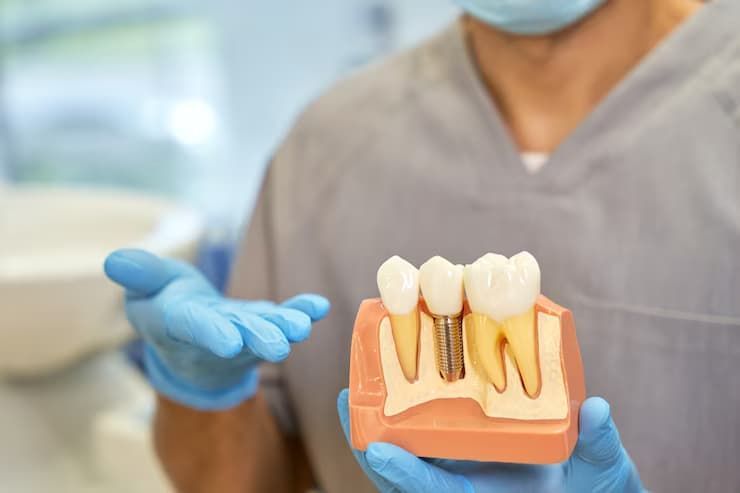
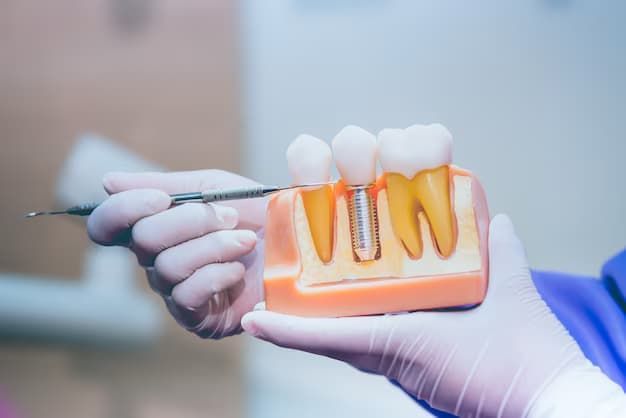
A bridge depends on the teeth supporting it. If one of those teeth develops decay, a crack, gum problems, or another issue, the bridge may no longer function as intended. This is why replacing the bridge immediately is not always the first step.
We may need to examine the supporting tooth and determine whether it can continue to support the restoration. If we find another problem, that issue may need attention before we consider repairing or replacing the bridge. The restoration is only one part of what we need to evaluate.
What If There Is No Pain?
You may be tempted to wait if the bridge moves but does not hurt. We still recommend letting us know about the change. Dental problems do not always produce immediate pain. A loose restoration can also affect how you bite or chew, and continued movement may place additional stress on the surrounding area.
You do not need to panic. You do need to have the change checked. When we examine the bridge, we can determine whether it may be possible to repair it or whether the supporting teeth or restoration require a different approach.
What Can You Do Until Your Appointment?
If you have contacted us about a loose bridge, follow the instructions we give you. Until your appointment, be gentle with the area. Avoid deliberately moving the bridge with your tongue or fingers. If chewing makes the area uncomfortable, use the other side of your mouth for the time being.
Continue your normal oral hygiene unless we tell you otherwise. If the restoration has come out completely, keep it somewhere safe and bring it with you. These steps are preferable to trying to solve the problem yourself.
When Should You Call Us?
Call Us If the Bridge Feels Different
Call us if your bridge becomes loose, moves when you bite, falls out, or causes new sensitivity or discomfort. Even without significant pain, we don't recommend leaving a loose bridge unattended for weeks simply because it is not painful. A change in a restoration is worth checking.
Seek Prompt Attention for More Serious Symptoms
More urgent attention may be appropriate if you have significant pain, swelling, persistent bleeding, facial swelling, or an injury involving the teeth.
What We Can Check
If you are searching for a dental bridge near me because your existing bridge has started moving, the important question is not simply where you can get a replacement. We first want to understand why the bridge became loose and whether the supporting teeth are healthy.
At Johnson Family Dentistry in Powder Springs, GA, we can assess the restoration, examine the supporting teeth, and explain what we find. If you live in Powder Springs or the surrounding area and notice that your bridge no longer feels the way it used to, contact us rather than trying to fix it yourself. We're here to help you understand the problem and the next step.