A Step-by-Step Guide to Straightening Your Teeth Without Traditional Braces
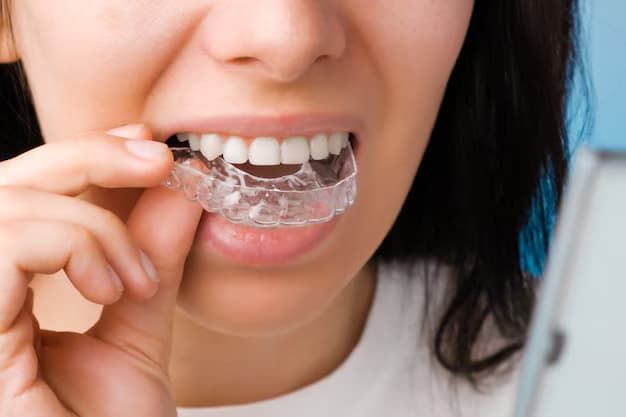
Invisalign uses a series of custom-made clear aligners that gradually move your teeth into their ideal positions. Wondering how Invisalign works? The aligners are removable, nearly invisible, and designed to provide a comfortable alternative to traditional braces while improving both your smile and your bite.
Many people want straighter teeth but hesitate because they don't want the appearance or inconvenience of traditional metal braces.
If you've been asking, "How does Invisalign work?", you're not alone. Invisalign has become one of the most popular orthodontic treatments because it offers a discreet and comfortable way to straighten teeth while allowing patients to continue their daily routines with minimal disruption.
At Johnson Family Dentistry, we help patients understand every stage of
Invisalign treatment—from the initial consultation to wearing the final aligner so they know exactly what to expect before beginning their smile transformation.
How Does Invisalign Work to Straighten Teeth
If you're wondering “how does Invisalign work”, the treatment uses a series of custom-made clear plastic aligners that gently apply controlled pressure to specific teeth.
Each aligner is slightly different from the previous one, allowing your teeth to move gradually into their planned positions. Every one to two weeks, you'll switch to a new set of aligners that continues the movement until your treatment is complete.
Before treatment begins, digital scans and advanced treatment planning create a customized roadmap showing how your smile will change over time.
What Happens During an Invisalign Consultation
Understanding “how does Invisalign work” starts with a comprehensive dental evaluation.
During your consultation, your dentist will:
- Examine your teeth and gums
- Take digital scans or impressions
- Evaluate your bite
- Discuss your smile goals
- Determine whether Invisalign is the right treatment
At Johnson Family Dentistry, we use digital technology to design a personalized treatment plan that predicts tooth movement throughout every stage of treatment.
How Long Does Invisalign Treatment Usually Take
Treatment time varies depending on the complexity of each case.
Many patients complete Invisalign treatment within 12 to 18 months, although minor corrections may require less time while more complex orthodontic cases can take longer.
To achieve the best results, patients should wear their aligners for approximately 20 to 22 hours each day, removing them only for eating, drinking beverages other than water, brushing, and flossing.
Can Invisalign Treat Every Orthodontic Problem
One of the most common questions after “how does Invisalign work” is whether it can treat every smile concern.
Invisalign is effective for many orthodontic conditions, including:
- Crowded teeth
- Gaps between teeth
- Mild to moderate overbites
- Underbites
- Crossbites
- Open bites
- Mild tooth rotations
Some complex orthodontic problems may still require traditional braces or additional treatment. A professional evaluation helps determine the most appropriate option.
What Are the Benefits of Invisalign Compared to Traditional Braces
Many patients choose Invisalign because the aligners fit comfortably into their daily lives.
Benefits include:
- Nearly invisible appearance
- Removable aligners
- Easier brushing and flossing
- No food restrictions
- Fewer emergency appointments
- Greater comfort than metal brackets
- Customized treatment planning
Patients searching “how does Invisalign work” are often surprised to learn that treatment can be both effective and convenient.
How Can You Get the Best Results With Invisalign
Successful treatment depends on wearing your aligners consistently.
To maximize results:
- Wear aligners 20–22 hours daily
- Clean aligners regularly
- Brush after meals before replacing them
- Attend scheduled checkups
- Switch aligners according to your treatment schedule
Following these recommendations helps teeth move according to the planned timeline while reducing delays.
Is Invisalign Right for You?
The best way to know “how does Invisalign work” for your smile is through a professional consultation.
Most teenagers and adults with healthy teeth and gums are good candidates for Invisalign. However, treatment recommendations vary based on bite alignment, tooth movement requirements, and overall oral health.
At Johnson Family Dentistry, we evaluate every patient's unique needs before recommending Invisalign or another orthodontic solution that best supports long-term oral health.
Conclusion
If you've been wondering “how does Invisalign work?”, the answer is simple: Invisalign gradually moves your teeth using a customized series of clear aligners designed specifically for your smile. The treatment offers a comfortable, discreet, and effective alternative to traditional braces while improving both appearance and bite function.
At Johnson Family Dentistry, we create personalized Invisalign treatment plans that fit your lifestyle and smile goals. From your initial consultation to your final aligner, we're committed to helping you achieve a healthier, more confident smile with clear guidance every step of the way.
Frequently Asked Questions
How does Invisalign work without metal braces?
Invisalign uses custom-made clear aligners that apply gentle pressure to gradually move teeth into better alignment without brackets or wires.
How many hours should I wear Invisalign each day?
Most patients should wear their aligners for 20 to 22 hours each day for the treatment to stay on schedule.
Can I eat while wearing Invisalign aligners?
No. Aligners should be removed before eating or drinking anything except water to prevent damage and staining.
Does Invisalign treatment hurt?
Most patients experience mild pressure for a day or two after switching to a new aligner, but significant pain is uncommon.
How often do I need to change my Invisalign aligners?
Most patients change to a new set of aligners every one to two weeks, depending on their personalized treatment plan.