Filling Isn’t Always Enough: 5 Clear Reasons Your Tooth Might Need a Crown

When you hear that you have a damaged or weakened tooth, it’s normal to wonder what type of treatment is best. Many people assume that a simple filling can fix any problem, but this isn’t always the case. Some teeth need stronger support, especially when a large part of the tooth is no longer healthy. At Johnson Family Dentistry, we want our patients to understand why dentists sometimes recommend dental crowns in Powder Springs instead of a basic filling. Knowing the difference helps you make the best choice for your smile.
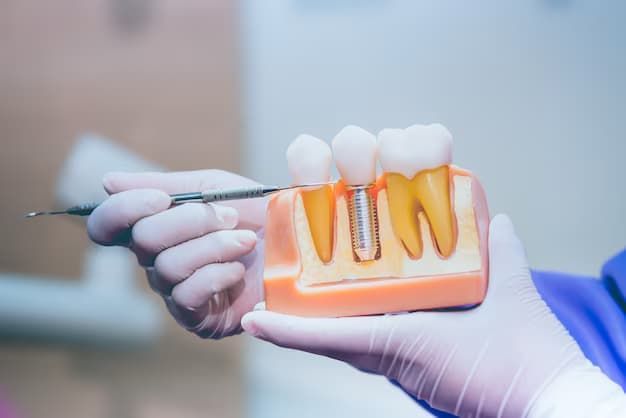
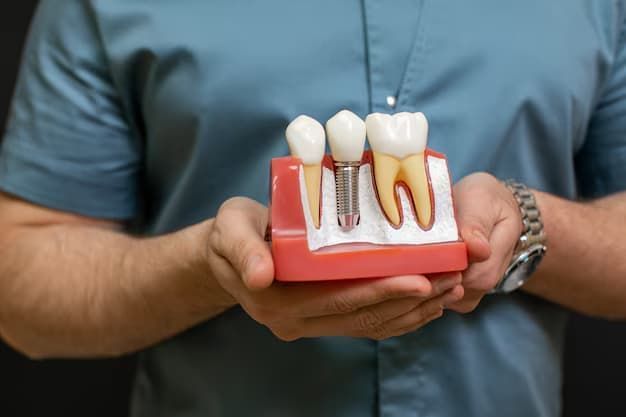
A crown is a strong cap that covers the entire top of the tooth. It protects the tooth, restores strength, and helps you chew comfortably again. If you’ve ever questioned whether a filling is enough, the five signs below can help you understand when a crown may be the better and safer option.
1. The Cavity or Damage Is Too Large for a Filling
A filling works well for small or medium cavities. But when the damaged area is too big, a filling may not hold up. Large fillings can weaken the tooth because they remove more structure and leave the sides of the tooth unsupported. This can lead to cracks later, which often means more treatment.
This is one of the most common reasons we recommend dental crowns in Powder Springs. A crown covers the whole tooth and keeps it from breaking. It also gives the tooth a natural shape again, which helps with chewing and biting. When a filling would leave the tooth too weak, a crown becomes the safer choice.
2. The Tooth Already Has One or More Large Fillings
Teeth that have been filled several times tend to weaken over the years. Each filling removes some healthy tooth structure, and repeated repairs can make the tooth more likely to break. If you have an old, worn, or very large filling, placing another filling on top of it may not last long.
In these situations, dental crowns in Powder Springs often provide the stability the tooth needs. A crown acts like a protective shell, giving a tooth with multiple fillings the strength it can’t get from another filling alone. This helps prevent future breaks and the need for emergency treatment.
3. The Tooth Is Cracked, Chipped, or Fractured
A cracked tooth is more serious than most people think. Small cracks can spread with everyday chewing, especially when you bite down on something hard. A filling cannot hold a cracked tooth together because it only fills an opening, it doesn’t wrap around the tooth for support.
When a tooth shows signs of cracking, we usually recommend dental crowns in Powder Springs to stop the crack from getting worse. A crown keeps the tooth together and prevents pain when biting. Without a crown, the tooth may eventually break, which could lead to a root canal or even extraction.
4. The Tooth Has Had a Root Canal
After a root canal, the inside of the tooth is cleaned and sealed. While this saves the tooth, the tooth becomes more fragile because the nerve and inner structure are removed. A filling alone does not provide enough strength to protect the tooth long-term.
For this reason, most teeth that go through root canal treatment need dental crowns in Powder Springs. A crown protects the tooth from cracking and restores normal function. Without a crown, the tooth could break under pressure, leading to more treatment or loss of the tooth.
5. The Tooth Needs Full-Coverage Support for Long-Term Function
Sometimes a tooth is not cracked or heavily decayed, but it is worn down, misshapen, or unable to handle normal chewing pressure. Teeth that are ground down from clenching or grinding often fall into this category. A filling will not make the tooth stronger in these cases.
A crown works differently. It fully covers the tooth, giving it shape, strength, and protection. When long-term support is needed, dental crowns in Powder Springs help prevent future problems and restore a healthy, comfortable bite.
What to Expect When Getting a Crown
Getting a crown is a simple and comfortable process. During your visit, we shape the tooth, take an impression or digital scan, and place a temporary crown to protect it. When your final crown arrives, we make sure it fits well, matches your bite, and looks natural before bonding it in place.
At Johnson Family Dentistry, we help patients understand every step so they feel confident throughout the treatment. Our goal is to restore your tooth in a way that looks good, feels natural, and lasts for many years.
Are There Alternatives to a Crown?
In some cases, smaller repairs like inlays, onlays, or fillings may still work, but only if the tooth is strong enough. When damage is too severe, skipping a crown can lead to breakage, pain, or infection. In extreme cases, the tooth may need to be removed, followed by an implant or bridge.
This is why choosing dental crowns in Powder Springs at the right time often saves both time and money. Acting early prevents bigger problems later.
Protecting Your Smile Starts With the Right Choice
Knowing when a crown is needed can help you avoid deeper cracks, repeated fillings, and unexpected dental emergencies. If you think a tooth feels weak, sensitive, or cracked, we’re here to help you figure out the safest option.
When a filling isn’t enough, dental crowns in Powder Springs provide strength, comfort, and long-term protection. At Johnson Family Dentistry, we’re committed to helping you keep your teeth healthy and strong for years to come.