Cracked Tooth or Sensitive Tooth? How Dentists Diagnose the Difference in 2026
A quick sip of a cold drink or a sharp feeling when you bite down can make anyone worry. Most people assume it is tooth sensitivity or maybe a small cavity. Sometimes that is true, but not always. In many cases, these “minor” symptoms point to something more serious, like a cracked tooth.
We often see patients who wait weeks or even months because the pain comes and goes. By the time they seek care, the tooth has weakened further. Knowing the difference between simple sensitivity and a crack can help you act early and protect your smile.
Why Sensitivity Is Not Always a Cavity
Tooth sensitivity has many causes. It can come from worn enamel, gum recession, recent dental work, or even grinding your teeth at night. Cavities are only one possible reason.
A cracked tooth can feel very similar to sensitivity. The pain may appear when chewing, biting, or eating hot or cold foods. Because the discomfort is not constant, many people ignore it. The problem is that cracks do not heal on their own. Over time, they usually grow.
This is one reason dentists in 2026 focus more on careful diagnosis instead of guessing based on symptoms alone.
Hairline Cracks: Small but Serious
Hairline cracks are thin fractures in the tooth that are often impossible to see. They may not show up clearly on X-rays, especially in the early stages. Even though they are small, these cracks can let bacteria reach the inner layers of the tooth.
As you chew, the crack can open slightly and then close again. This movement causes sharp pain that disappears quickly, making it easy to ignore. Without treatment, the crack can spread deeper and lead to infection or nerve damage.
Symptoms That Feel Minor but Matter
Some warning signs people often overlook include:
- Sharp pain when biting down, especially on one side
- Sensitivity that comes and goes
- Discomfort when releasing a bite
- Pain triggered by heat or cold that lingers
- A tooth that feels “different” but looks normal
These symptoms may seem small, but they often signal structural damage. Catching the issue early can make the difference between a simple repair and needing dental crowns in Powder Springs to protect the tooth.
Why Cracked Teeth Get Worse Over Time
Teeth are strong, but they are not unbreakable. Every time you chew, a cracked tooth takes pressure. Over months or years, the crack can grow deeper.
If the crack reaches the inner pulp of the tooth, pain becomes more constant and severe. At that stage, treatment is more complex and may involve root canal therapy along with dental crowns in Powder Springs. Early care helps prevent this progression and preserves more of your natural tooth.
How Dentists Diagnose Cracks in 2026
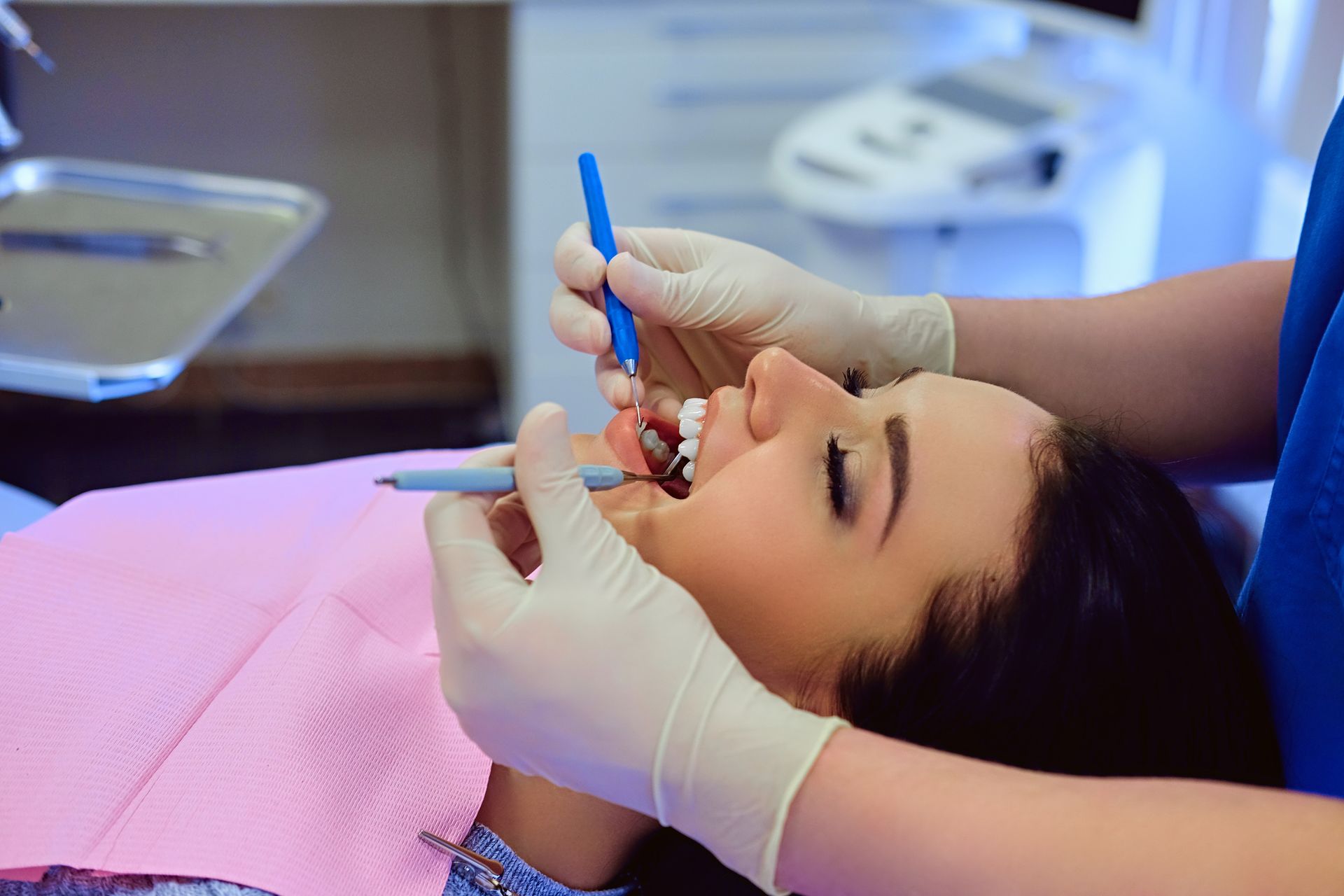
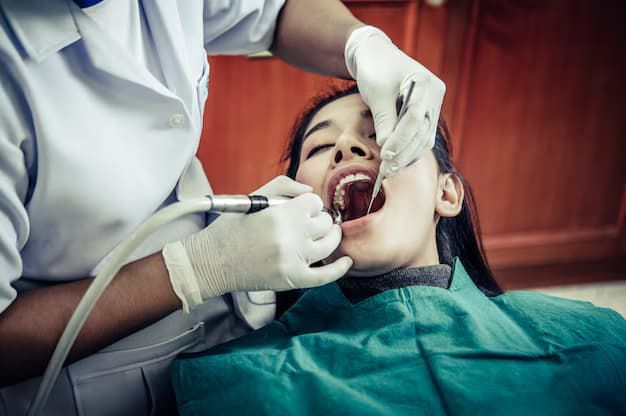
Modern diagnosis relies on more than just a quick look. Dentists use several tools and techniques to find the real cause of pain:
- Bite tests to locate pain when pressure is applied
- Visual exams using magnification and strong lighting
- Imaging to rule out deep decay or bone issues
- Symptom patterns based on when and how pain occurs
At Johnson Family Dentistry, we combine these methods to understand what your tooth is experiencing, not just what it looks like. This careful approach helps us recommend the right treatment, whether that is monitoring, bonding, or dental crowns in Powder Springs.
Treatment Options Based on Severity
Not every cracked tooth needs a crown. The treatment depends on how deep and long the crack is.
- Minor cracks may be treated with bonding or smoothing
- Moderate cracks often require protection with dental crowns in Powder Springs
- Severe cracks that reach the nerve may need a root canal followed by a crown
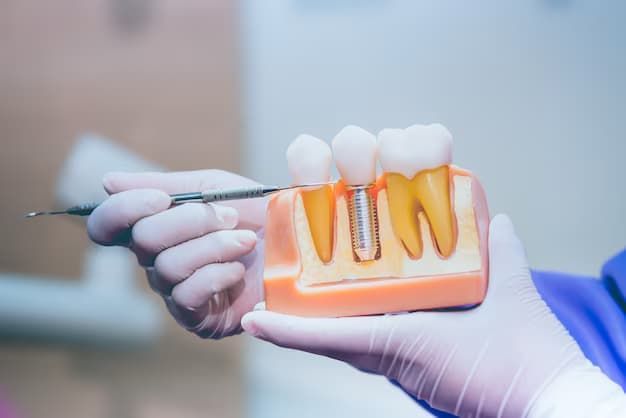
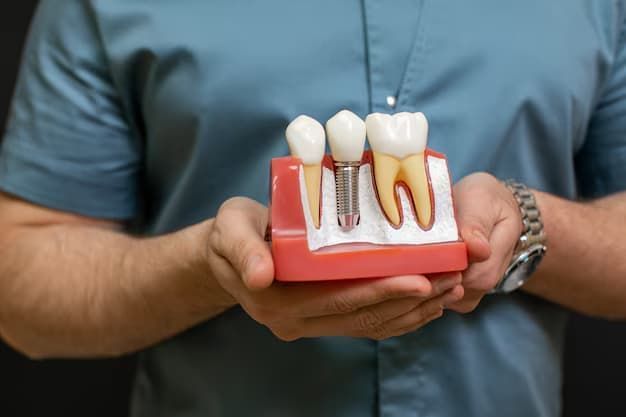
Crowns act like a protective cap. They hold the tooth together, restore strength, and allow you to chew comfortably again. When placed early, dental crowns in Powder Springs can save a tooth that might otherwise fail.
Why Crowns Are Often the Best Long-Term Solution
A cracked tooth is weaker than a healthy one. Even after pain improves, the structure still needs support. Dental crowns in Powder Springs cover the entire tooth, reducing stress on the crack and preventing further damage.
Modern crowns are designed to look natural and function like real teeth. They blend with your smile while giving the tooth the strength it needs for daily use. Many patients are surprised at how normal their tooth feels once the crown is placed.
When to Seek Help
If biting or temperature causes sharp pain, don’t wait for it to worsen; early diagnosis saves teeth. The sooner a crack is found, the more treatment options you have.
Sensitivity is common, but ongoing or sharp pain deserves attention. A professional evaluation can tell whether your tooth needs monitoring, repair, or dental crowns in Powder Springs to stay healthy long-term.
Listening to early warning signs helps you avoid bigger problems and keeps your smile strong for years to come.