What If You Don’t Have Enough Bone for a Dental Implant? Understanding Your Treatment Options
Losing a tooth doesn't automatically mean you're ready for an implant right away. Once a tooth is gone, the jawbone underneath it can actually start to shrink over time, since it's no longer getting the stimulation a tooth root normally provides.
Gum disease, an injury, infection, or wearing dentures long-term can all speed up that bone loss too. But here's the good news, even if your jaw doesn't have enough bone right now, "implants near me" can still be an option. There are a few different ways to rebuild that area or work around the shortage.
Why Bone Matters So Much for Implants
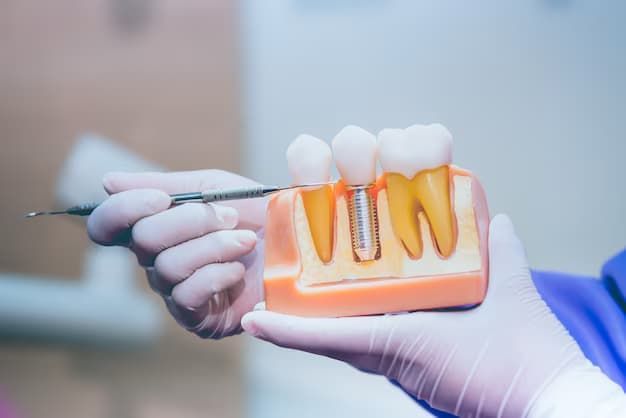
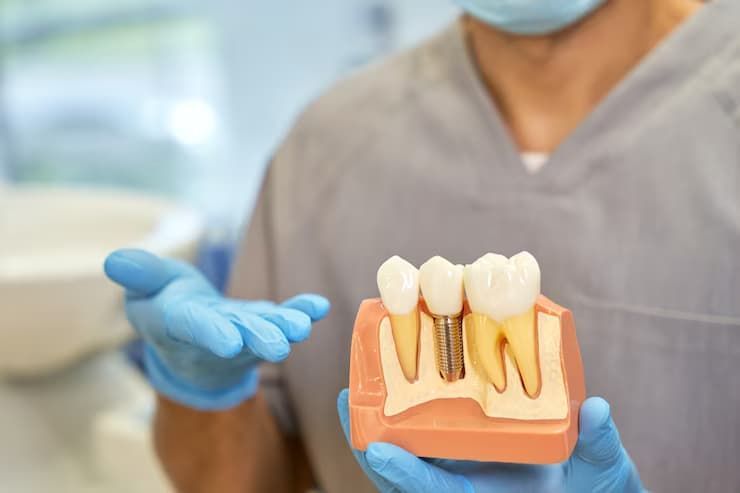
An implant needs something solid to anchor into. The post gets placed into the jawbone, and over time the surrounding bone actually fuses to it, a process called osseointegration. That's what lets the implant act like a real tooth root.
If you're searching for implants near me, ask whether the practice actually checks how much bone you have before jumping into treatment planning, instead of just assuming every missing tooth is ready to go.
How Your Dentist Figures Out If You Need More Bone
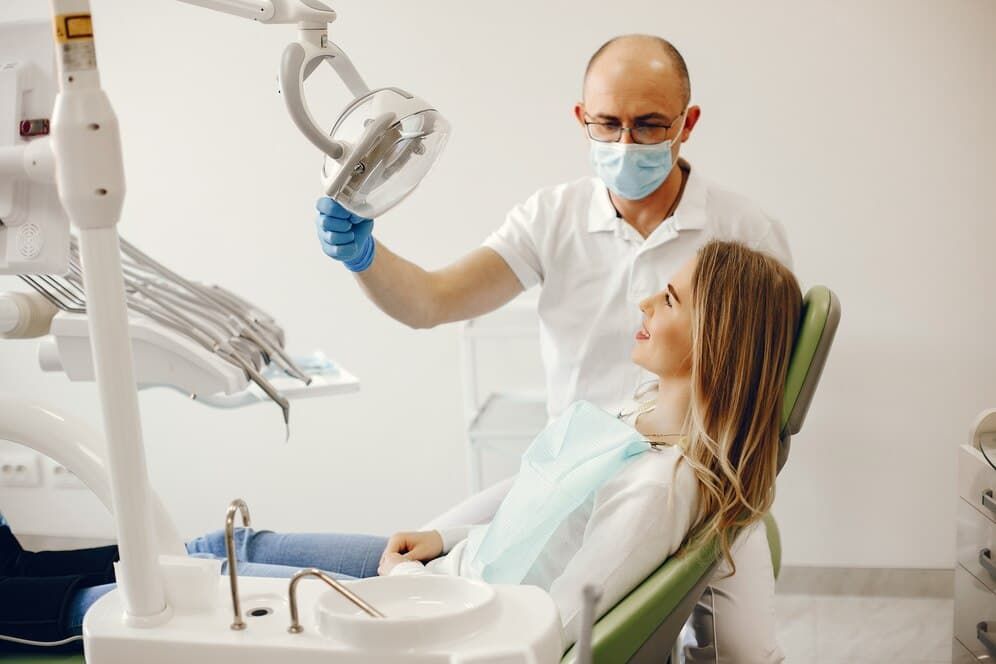
Before anyone talks about grafting, you need a real evaluation first. Your dentist will likely look at your gums, remaining teeth, your bite, and the spot where the tooth is missing. Imaging can show exactly how much bone width and height you have, plus where nearby structures sit.
If you're researching implants near me, ask what kind of imaging they use to check your site, and whether the implant options they're suggesting actually make sense for your bone situation.
Bone Grafting: The Go-To Fix
Bone grafting is the most common way dentists deal with a jaw that doesn't have enough bone. During the procedure, graft material gets placed exactly where extra bone volume is needed. As it heals, new bone grows around the graft, giving the implant something sturdy to sit in.
There are different types of graft material, bone taken from elsewhere in your own body, donor bone, animal-derived material, or a synthetic option. Which one gets used depends on your specific situation, where the defect is, and your dentist's judgment.
Smaller grafts can sometimes happen at the same time as the implant itself. Bigger ones usually need their own healing period before the implant goes in.
Ridge Augmentation for a Narrow Jaw
When a tooth's been missing for a long time, the bone ridge that used to support it can shrink or develop an uneven shape. Ridge augmentation rebuilds that shape by adding graft material where it's needed.
When you're comparing "implants near me", ask how the dentist handles more serious ridge loss. Often the plan looks like this: graft first, place the implant once that's healed, then add the crown once the implant has fully integrated.
Sinus Lift for the Upper Back Jaw
The back of your upper jaw is a different story. Your sinus sits right above that area, and after a tooth is lost, there sometimes isn't enough bone left between your mouth and the sinus to support an implant.
A sinus lift (or sinus augmentation) fixes that by gently lifting the sinus membrane and placing graft material underneath it to build up more height. Sometimes the implant can go in during that same procedure, other times, the graft needs time to heal first.
Questions to Ask Before You Commit to Treatment
If you're looking into "implants near me", don't just focus on price or how fast the whole thing can be done. Ask real questions about your bone and the plan ahead:
- Will I need a bone graft?
- How much bone am I missing?
- Can the graft and implant happen at the same time?
- How long is the healing process?
- What graft material do you recommend, and why?
- What kind of imaging will you need?
- What happens if the graft doesn't heal the way it's supposed to?
At Johnson Family Dentistry, we think patients deserve to know why a procedure is being recommended, what it actually involves, and what kind of timeline to expect. A clear plan makes the whole process a lot less stressful for everyone.
What Happens If You Skip the Bone Work?
Trying to place an implant where there just isn't enough bone to support it can seriously affect how stable it ends up being, and the final result. Bone grafting isn't some unnecessary add-on when it's actually needed. It's often the very thing that makes the implant possible in the first place.
That's why searching for "implants near me" should lead you to an actual consultation, not just a list of nearby offices. Everyone's mouth is different, with its own history and needs. What works great for one person might not be the right call for someone else.
Conclusion
Not having enough bone doesn't have to close the door on getting an implant. Bone grafting, ridge augmentation, sinus lifts, and other carefully planned options can help most patients get back on track toward replacing a missing tooth. Our team can walk you through your options and explain what each stage actually involves.
At Johnson Family Dentistry, we take planning seriously so you can make a confident, informed decision about your smile. If you've been searching for "implants near me", go ahead and schedule an evaluation, it's the best way to find out whether implants are the right fit for you and what your bone situation really means for your treatment plan.