Dental Bridge vs Implant: Which Feels More Natural and Comfortable Like Real Teeth?
Replacing missing teeth is about more than appearance. It affects how you chew, speak, and feel every day. Two of the most common solutions are dental bridges and dental implants. Both are reliable, but they differ in comfort, function, and how natural they feel over time.
If you are exploring options like dental bridges in Powder Springs, understanding these differences can help you make a confident decision.
Understanding Dental Bridges
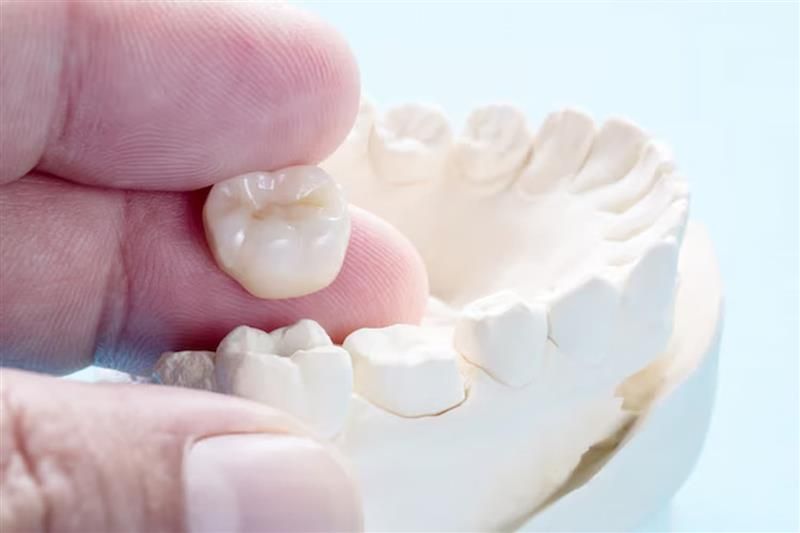
A dental bridge is designed to “bridge” the gap left by one or more missing teeth. It uses neighboring teeth for support, with a false tooth placed in between. This option has been used successfully for decades and remains a practical solution for many patients considering dental bridges.
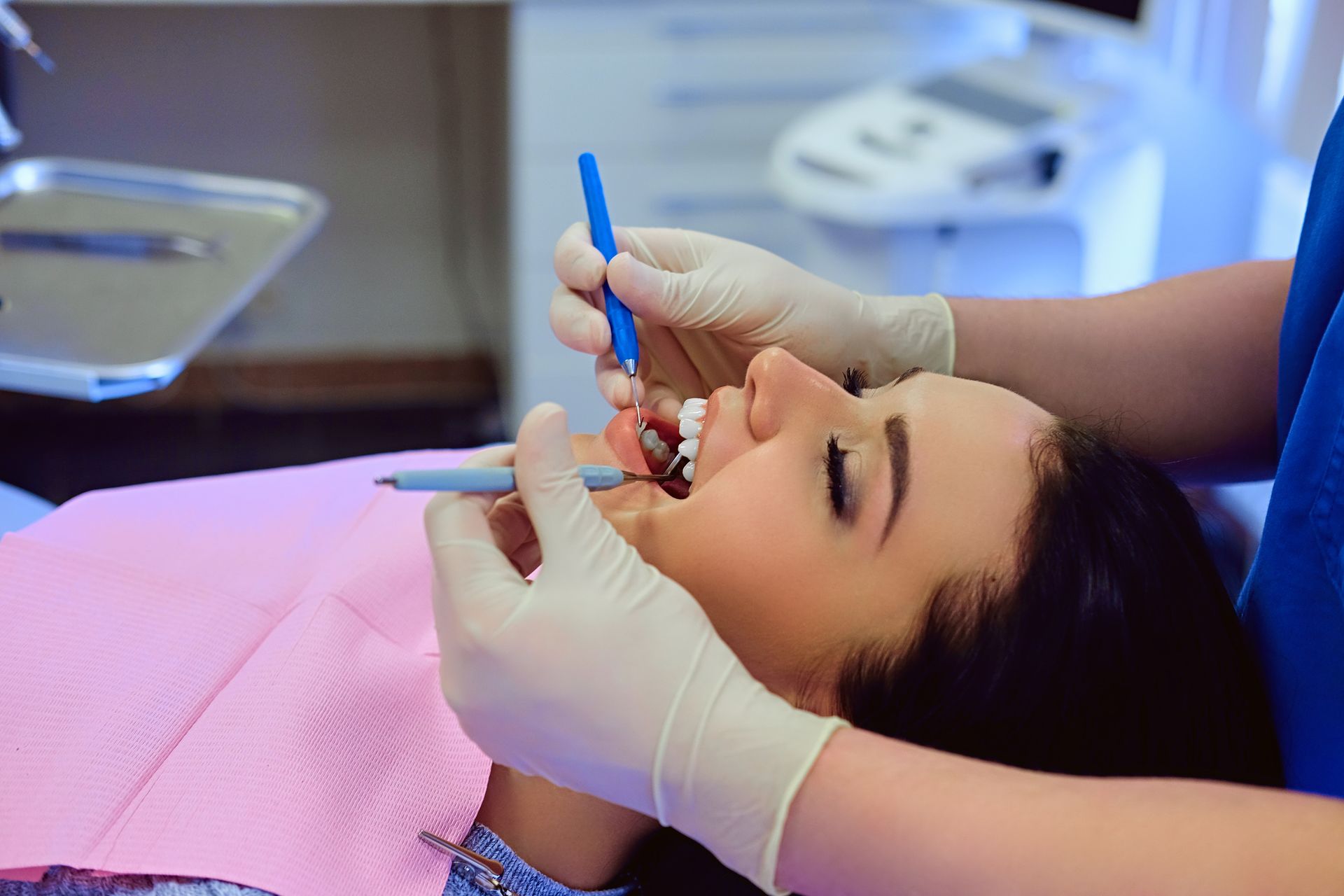
Bridges are typically completed in a few visits. The process involves reshaping adjacent teeth, taking impressions, and placing a custom-made restoration. Because the procedure is relatively quick, many people appreciate the faster results compared to implants.
What Are Dental Implants?
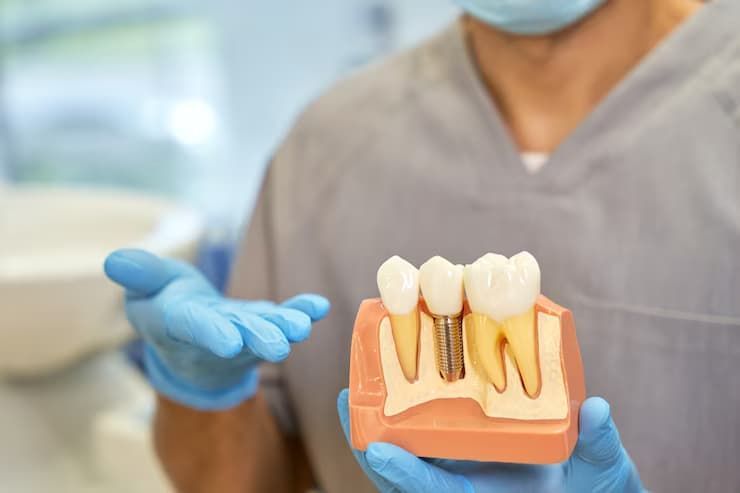
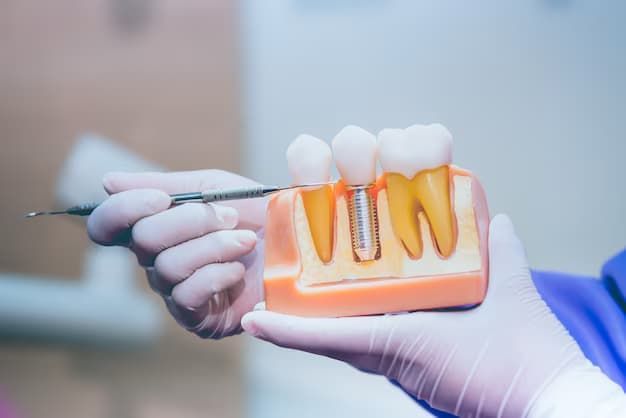
Dental implants replace both the root and the crown of a missing tooth. A titanium post is placed into the jawbone, where it gradually fuses with the bone. This creates a stable foundation for a crown that looks and functions like a natural tooth.
Although implants take longer to complete due to healing time, they offer a long-term solution. Patients often consider implants when they want something that closely mimics natural teeth in both appearance and performance, even when comparing with dental bridges in Powder Springs.
Which Option Feels More Natural?
When it comes to comfort, implants often feel the most like real teeth. Because they integrate with the jawbone, they provide stability similar to natural tooth roots. This means less movement and a more secure bite.
Bridges, on the other hand, rely on adjacent teeth. While they are stable, they may not fully replicate the same natural feel. Some patients notice slight differences when chewing, especially in the early days. Still, modern advancements have made dental bridges more comfortable and natural-looking than ever before.
Comfort in Everyday Use
Daily comfort plays a major role in choosing between these options. Implants function independently, so they do not place extra stress on surrounding teeth. This can lead to a more balanced and natural chewing experience.
Bridges distribute pressure across neighboring teeth. While this is generally safe, it may feel different from natural teeth for some individuals. However, many patients adjust quickly and find dental bridges in Powder Springs to be comfortable for regular use.
Speech is another factor. Both options can improve speech clarity compared to missing teeth. Implants tend to feel seamless, while bridges may require a short adjustment period.
Maintenance and Oral Hygiene
Oral care is slightly different for each option. Implants can be brushed and flossed just like natural teeth. This simplicity makes them appealing for long-term maintenance.
Bridges require a bit more attention. Special flossing tools or techniques may be needed to clean under the bridge. Proper hygiene is essential to maintain the health of the supporting teeth. With good care, dental bridges can last many years and remain comfortable.
Longevity and Durability
Implants are known for their durability. With proper care, they can last decades, often a lifetime. This makes them a strong investment for those seeking a permanent solution.
Bridges typically last between 10 and 15 years. Their lifespan depends on oral hygiene, bite pressure, and the health of supporting teeth. Many patients still prefer dental bridges in Powder Springs because they offer reliable performance without the need for surgery.
Procedure and Healing Time
The process for implants involves surgery and healing time. After the implant is placed, the jawbone needs several months to bond with it. While this requires patience, the result is a highly stable and natural-feeling tooth.
Bridges, in contrast, can often be completed within a few weeks. This quicker turnaround makes them a convenient choice for patients who want faster results. For individuals considering dental bridges, this shorter timeline is often a key advantage.
Bone Health and Facial Structure
One important difference lies in how each option affects the jawbone. Implants stimulate the bone, helping to prevent bone loss. This supports facial structure and maintains a more youthful appearance.
Bridges do not provide this stimulation. Over time, the bone beneath a missing tooth may shrink. While this does not affect everyone significantly, it is a factor to consider when choosing between implants and dental bridges in Powder Springs.
Cost Considerations
Cost often plays a role in decision-making. Implants generally have a higher upfront cost due to the surgical procedure and materials involved. However, their long lifespan can make them cost-effective over time.
Bridges are usually more affordable initially. They provide a practical solution for many patients who want to restore function and appearance without a higher investment. This is why dental bridges remain a popular option for many families.
Which Option Is Right for You?
The best choice depends on several factors, including oral health, bone density, budget, and personal preference. Some patients prioritize longevity and natural feel, making implants the ideal option. Others value quicker results and lower initial cost, leading them to choose bridges.
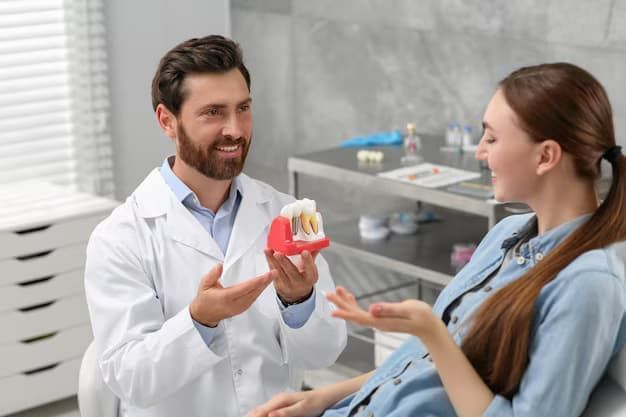
At Johnson Family Dentistry, we focus on understanding each patient’s needs before recommending a solution. We believe that informed decisions lead to better outcomes and long-term satisfaction.
Every smile is unique, and the right treatment should reflect that. Whether you are exploring implants or dental bridges in Powder Springs, a personalized evaluation is essential.
Personalized Care Matters
Choosing between these options is not just about the procedure. It is about comfort, confidence, and long-term oral health. At Johnson Family Dentistry, we take time to explain each option clearly so patients feel confident in their decision.
We also emphasize preventive care and proper maintenance. A well-maintained restoration, whether a bridge or implant, can provide years of reliable function. This is especially true for those considering dental bridges as part of their treatment plan.
Conclusion
Both dental bridges and implants offer effective ways to restore missing teeth. Implants tend to feel more natural because they function like real tooth roots. Bridges, however, provide a quicker and more affordable solution with reliable results.
The right choice depends on your goals, oral health, and lifestyle. By understanding the differences, you can select a solution that feels comfortable and supports your long-term dental health. Whether you choose implants or dental bridges in Powder Springs, the goal is the same: a strong, natural-looking smile that helps you eat, speak, and live with confidence.