How to Choose the Right Orthodontic Treatment for Your Smile and Lifestyle
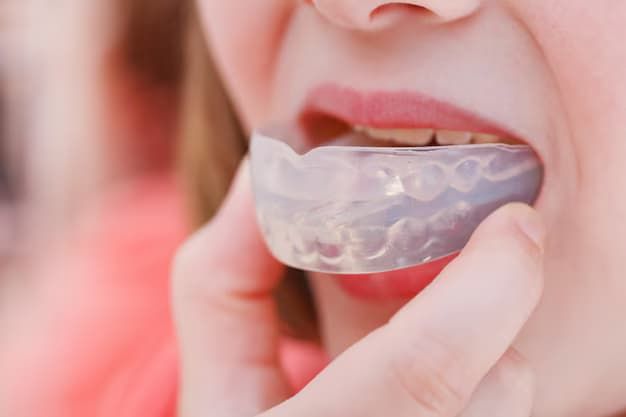
Invisalign offers a discreet, removable option for many mild to moderate alignment issues, while traditional braces often provide greater control for complex orthodontic cases.
Understanding the differences can help you choose the treatment that best supports your long-term oral health. Many patients ask if Invisalign is a better option. The answer depends on your dental needs, lifestyle, and treatment goals.
Choosing between Invisalign and traditional braces is one of the most common decisions people face when considering orthodontic treatment. While both options are designed to straighten teeth and improve bite alignment, they work differently and offer unique advantages.
If you've been asking, "Is Invisalign better than braces?", the answer isn't the same for everyone. The right treatment depends on factors such as the complexity of your alignment issues, your daily routine, your commitment to treatment, and your overall oral health.
At Johnson Family Dentistry, we evaluate each patient's smile individually to recommend the orthodontic solution that provides the safest, healthiest, and most predictable long-term results.
Is Invisalign Better Than Braces for Every Patient?
Not always. Although Invisalign has become increasingly popular because of its clear appearance and convenience, it isn't automatically the best option for every smile.
Patients with mild or moderate crowding, spacing, or minor bite concerns often achieve excellent results with Invisalign. However, severe crowding, significant bite corrections, or complex tooth movements may respond better to traditional braces.
When patients ask "Is Invisalign better than braces?", we explain that success depends on selecting the treatment that matches the specific orthodontic problem, not simply the most popular option.
How Do Invisalign and Braces Work Differently
Although both treatments move teeth into better positions, they do so using different methods.
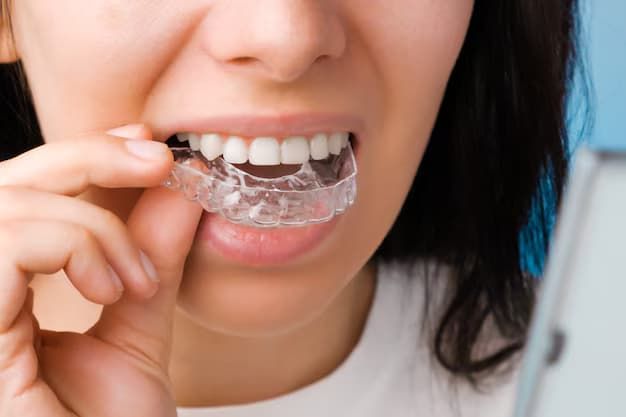
Invisalign uses a series of custom-made clear aligners that gradually shift teeth over time. Patients replace each set of aligners every one to two weeks as treatment progresses.
Traditional braces use brackets and wires that apply continuous pressure to guide teeth into proper alignment.
Understanding which one is better begins with understanding that both systems are effective, but each has strengths depending on the patient's orthodontic needs.
Is Invisalign Better Than Braces for Comfort and Daily Life
For many patients, Invisalign offers greater everyday comfort because there are no metal brackets or wires that can irritate the cheeks and gums.
Its removable design also allows patients to:
- Eat without food restrictions
- Brush and floss normally
- Remove aligners for important events
- Maintain a more natural appearance during treatment
However, Invisalign requires commitment. Aligners should be worn for approximately 20 to 22 hours every day to achieve the desired results.
Patients wondering "Is Invisalign better than braces?" should remember that convenience only benefits those who wear the aligners consistently.
Which Treatment Produces Better Orthodontic Results
Both Invisalign and braces can produce outstanding results when used appropriately.
Braces generally provide greater control for:
- Severe crowding
- Significant bite corrections
- Rotated teeth
- Complex orthodontic cases
Invisalign performs exceptionally well for many patients with:
- Mild crowding
- Gaps between teeth
- Moderate alignment concerns
- Minor bite adjustments
Rather than asking which one is better, patients should ask which treatment is most effective for their specific diagnosis.
How Do Invisalign and Braces Compare for Oral Hygiene
Keeping teeth clean during orthodontic treatment is extremely important.
Because Invisalign aligners are removable, patients can brush and floss normally after removing them.
Traditional braces require extra attention because brackets and wires can trap food particles and plaque.
Many patients considering "Is Invisalign better than braces?" appreciate Invisalign's ability to simplify oral hygiene, but both options require excellent daily care to achieve healthy long-term outcomes.
Does Treatment Time Differ Between Invisalign and Braces
Treatment length varies depending on the complexity of each case.
Some Invisalign patients complete treatment within 12 to 18 months, while others may require additional refinement aligners.
Braces often require 18 to 24 months for comprehensive orthodontic treatment, although some cases finish sooner or later.
Patients asking "Is Invisalign better than braces?" should understand that treatment speed depends more on individual dental conditions and patient cooperation than on the appliance itself.
How Can You Decide Whether Invisalign or Braces Are Right for You
The best way to choose between Invisalign and braces is through a comprehensive orthodontic evaluation.
During your consultation, we evaluate:
- Tooth alignment
- Bite relationship
- Jaw position
- Gum health
- Bone support
- Lifestyle preferences
- Long-term treatment goals
At Johnson Family Dentistry, we believe every orthodontic recommendation should balance appearance, function, comfort, and long-term oral health rather than focusing on a single treatment option.
Conclusion
If you're asking "Is Invisalign better than braces?", the answer depends on your unique smile rather than a universal rule. Invisalign offers outstanding comfort, convenience, and aesthetics for many patients, while traditional braces remain the preferred choice for more complex orthodontic corrections.
At Johnson Family Dentistry, we help patients compare every option carefully before beginning treatment. Our goal is to recommend the solution that delivers healthy alignment, improved function, and lasting confidence for years to come.
Frequently Asked Questions
Is Invisalign better than braces for adults?
Many adults choose Invisalign because the clear aligners are discreet, removable, and fit easily into professional and social lifestyles. However, braces may still be recommended for complex orthodontic needs.
Is Invisalign better than braces for teenagers?
It depends on the teenager's ability to wear the aligners consistently. Responsible teens often achieve excellent results with Invisalign, while braces may be more appropriate for those who may not wear removable aligners as directed.
Is Invisalign better than braces for severe crowding?
Traditional braces are generally more effective for severe crowding and complex bite corrections because they allow more precise tooth movement.
Which treatment is easier to maintain?
Invisalign is generally easier to maintain because the aligners can be removed for brushing, flossing, and eating. Braces require additional cleaning around brackets and wires.
Do Invisalign and braces provide permanent results?
Both treatments can provide long-lasting results when patients wear their retainers as instructed after treatment. Retention is essential regardless of which orthodontic system is used.
Is Invisalign better than braces if I want faster treatment?
Not necessarily. Treatment time depends on the complexity of your orthodontic needs and how closely you follow your dentist's instructions. Some Invisalign cases finish sooner, while others require a timeline similar to braces.