Why Straightening Teeth Today Is More About Lifestyle Comfort Than Just Appearance
Straightening teeth today is not only about improving appearance but also about improving comfort, bite function, oral hygiene, and overall daily lifestyle. Proper alignment helps reduce jaw strain, makes cleaning easier, and supports long-term dental health. Modern treatments focus on how teeth work in everyday life, not just how they look.
When patients ask Is Invisalign better than braces, the answer depends on individual needs. Invisalign offers flexibility, easier cleaning, and a discreet look, while braces provide stronger control for complex cases. Both options improve oral health, but the best choice depends on alignment issues, lifestyle habits, and professional dental evaluation.
Is Invisalign better than braces for straightening teeth?
Invisalign is often more comfortable and discreet, but it is not always better than braces for every patient. The right option depends on how complex the alignment issue is and how well a person follows treatment instructions.
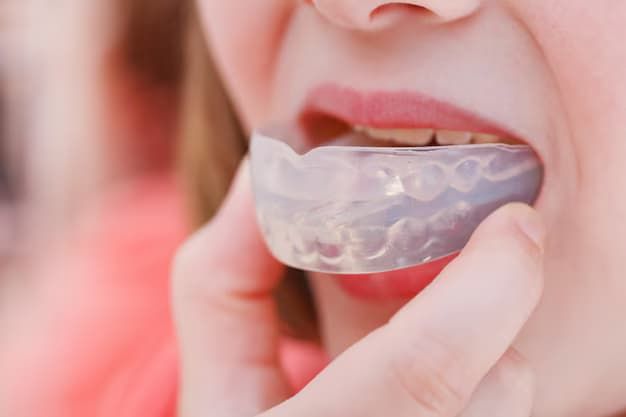
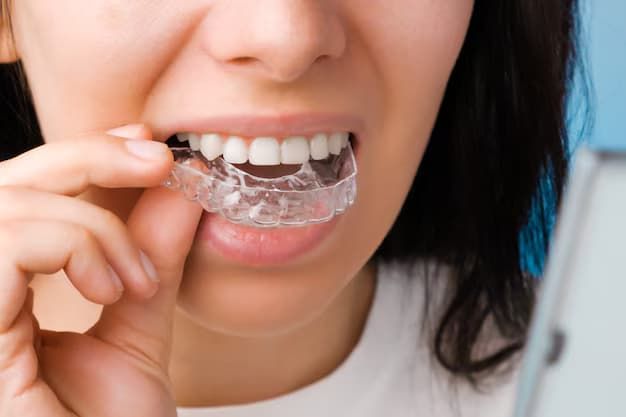
Invisalign uses clear, removable aligners that gradually shift teeth. Braces use fixed brackets and wires that continuously guide movement. Both can produce excellent results when used correctly. It is better for mild to moderate alignment cases and patients who want flexibility. Braces are still preferred for complex bite corrections and more controlled movement.
At Johnson Family Dentistry, we evaluate both options based on function, comfort, and long-term stability.
What makes Invisalign different from traditional braces in daily life?
Invisalign is different from braces because it is removable, nearly invisible, and designed to fit into daily routines with less disruption.
Patients can remove aligners while eating, brushing, and flossing. This makes oral hygiene easier compared to fixed braces, where food can get trapped around brackets.
With braces, there are more dietary restrictions and cleaning steps. Invisalign reduces those barriers but requires discipline to wear aligners for 20–22 hours daily. This is where the comparison Is Invisalign better than braces? depends heavily on lifestyle habits. If aligners are not worn consistently, results can slow down.
We often explain how compliance plays a major role in treatment success.
Which Is More Comfortable and Less Painful: Invisalign or Braces?
Invisalign is usually more comfortable than braces because it applies gentler pressure and avoids metal brackets.
Patients often report less irritation on cheeks and gums with aligners. Braces can cause soreness after adjustments due to wire tightening and bracket friction.
However, both treatments involve pressure as teeth move. That pressure is necessary for alignment. When patients ask Is Invisalign better than braces? For comfort, the answer is often yes for mild cases. But comfort alone should not decide treatment type if complex movement is needed.
At Johnson Family Dentistry, we balance comfort with effectiveness so results are stable, not just easy.
Is Invisalign better than braces for complex dental problems?
Braces are generally more effective than Invisalign for severe crowding, major bite issues, and complex tooth movements.
Fixed braces give orthodontists more precise control over tooth direction and rotation. This makes them better suited for advanced correction cases.
Invisalign technology has improved, but it still has limits in certain movements. Attachments and refinements help, but not every case qualifies.
For complex orthodontic needs, braces are often the stronger and more predictable option.
We recommend the most stable solution based on diagnostic scans and bite analysis.
How Do Invisalign and Braces Compare for Cleaning and Maintenance?
Invisalign is easier to maintain for oral hygiene because aligners can be removed for brushing and flossing.
This reduces plaque buildup and lowers the risk of gum irritation. Patients can clean teeth normally without navigating wires or brackets. Braces require special cleaning tools like floss threaders and interdental brushes. Food particles can also get trapped more easily. When evaluating whether Invisalign is better than braces for hygiene, Invisalign usually has the advantage when used correctly.
We still stress cleaning discipline for both treatments to prevent decay and gum issues.
Is Invisalign as Effective as Braces for Long-Term Orthodontic Success?
Both Invisalign and braces can deliver long-term results if treatment is completed properly and retainers are used afterward.
The key factor is not just the appliance but post-treatment care. Teeth naturally shift over time if retention is ignored.
Braces may offer slightly more predictable control during treatment. Invisalign offers more comfort and flexibility during the process. So, is Invisalign better than braces? Long-term success depends less on the system itself and more on patient compliance after treatment ends.
At Johnson Family Dentistry, we emphasize retention as the most important phase of orthodontic care.
Conclusion
Straightening teeth today is no longer just about appearance. It is about comfort, function, hygiene, and long-term stability that support overall oral health and daily confidence.
Both Invisalign and braces are effective orthodontic tools, but they serve different dental needs depending on case complexity and patient lifestyle. When considering “Is Invisalign better than braces?”, the right choice should always come from a full dental evaluation rather than personal preference alone.
A personalized treatment plan ensures safer movement, better results, and healthier long-term outcomes for every patient.

Are Dental Implants Really Worth It in the Long Run or Just Too Expensive Upfront for Most Patients?